
Firmer Skin in 8–12 Weeks: Peptides in Skincare and Serum Tips

Peptides are short chains of amino acids that act as messengers, telling skin cells to produce more collagen, repair the barrier, and calm inflammation. Used consistently, they support firmer, better-hydrated skin over weeks to months, not overnight. They will not replace injectables or laser treatments, but they are one of the more evidence-backed ingredients you can add to a daily routine.
TL;DR:
Peptides only support skin firmness and hydration over weeks to months and cannot reverse age-related collagen decline.
Proper formulation, packaging, and concentration are crucial for peptides to deliver real results, with opaque or airless bottles preferred.
Peptides are most effective in leave-on serums layered under moisturizer, while retinoids should be used separately to avoid irritation.
They are generally safe for sensitive skin, but do not expect topical peptides to match the results of in-office procedures or injectable treatments.
Choose products with visible peptides early in the ingredient list, clear concentration details, and reputable brands to ensure quality and performance.
Table of Contents
What Peptides for Skin Actually Deliver
The main draw of peptides for skin is firmness. Collagen and elastin start declining early, and adults lose about 1% of both proteins every year. Peptides can’t reverse that clock, but certain types signal fibroblasts to keep producing collagen at a steadier rate, which shows up as less crepiness and slightly plumper skin over time.
Beyond firmness, peptides pull weight in three other areas:
Hydration: some peptides help the skin hold onto water by supporting the lipid barrier, which reduces flakiness and tightness.
Barrier repair: they reinforce the outer layer of skin that keeps irritants out and moisture in.
Calming inflammation: certain peptides reduce redness and reactivity, which is why they show up in products aimed at sensitive skin.
Here’s the honest comparison people skip: peptides work at the cellular signaling level, while procedures like microneedling or laser resurfacing cause controlled physical injury that triggers a much stronger healing response. Dermatologists are clear that peptides are one piece of a routine, not a replacement for in-office treatment, and that formulation quality determines how much of that signal actually reaches your skin.
How Do Peptides Work in Skincare?
A peptide is a short chain of amino acids linked together, essentially a fragment of a protein. When your skin recognizes certain peptide sequences, it responds as though it detected an injury or a shortage of collagen, and ramps up repair activity accordingly. That’s the whole mechanism in plain terms: chemical shorthand that tells cells what to build.
Not all peptides send the same message; for a more detailed overview, check out our types of bioactive peptides for skincare. Cosmetic chemists group them into four functional categories:
Signal peptides tell fibroblasts to produce more collagen and elastin.
Carrier peptides deliver trace minerals like copper to support enzyme activity and wound healing.
Neurotransmitter-inhibiting peptides relax the tiny muscle contractions that create expression lines.
Enzyme-inhibiting peptides block the enzymes that break down existing collagen, or interfere with pigment production.
Peer-reviewed formulation research points to something most product labels never mention: a peptide’s real-world performance depends heavily on concentration, the delivery system carrying it into skin, and how it’s packaged. Peptides degrade when exposed to air, light, and fluctuating pH, so a technically “correct” ingredient list can still underperform.
Pro Tip: Choose peptide serums in opaque, airless pump bottles rather than clear jars. Every time a jar opens, oxygen speeds up peptide breakdown, and you lose potency before you even finish the bottle.
Types of Peptides and Where to Find Them
Reading an ingredient label gets easier once you know what each peptide category is trying to do. Most peptide names follow the pattern “word + peptide” or a string like “Palmitoyl Tripeptide,” which signals a lipid-attached signal peptide designed to boost penetration.
Signal peptides are the collagen-stimulating workhorses, typically found in anti-aging serums and firming creams aimed at fine lines and loss of elasticity.
Carrier peptides, including copper peptides skincare formulas, transport copper to support wound healing and enzyme function; they’re common in repair serums and post-procedure products.
Neurotransmitter-inhibitor peptides target expression lines around the eyes and forehead. They soften the look of movement-related wrinkles gradually, not with the immediate freeze of an injectable.
Enzyme-inhibitor peptides protect existing collagen from breakdown or interrupt pigment transfer, making them useful for both aging and uneven tone concerns.
You’ll find peptides most often in leave-on serums, night creams, eye creams, and increasingly in sunscreens and moisturizers that pull double duty.
How to Add Peptides to Your Routine
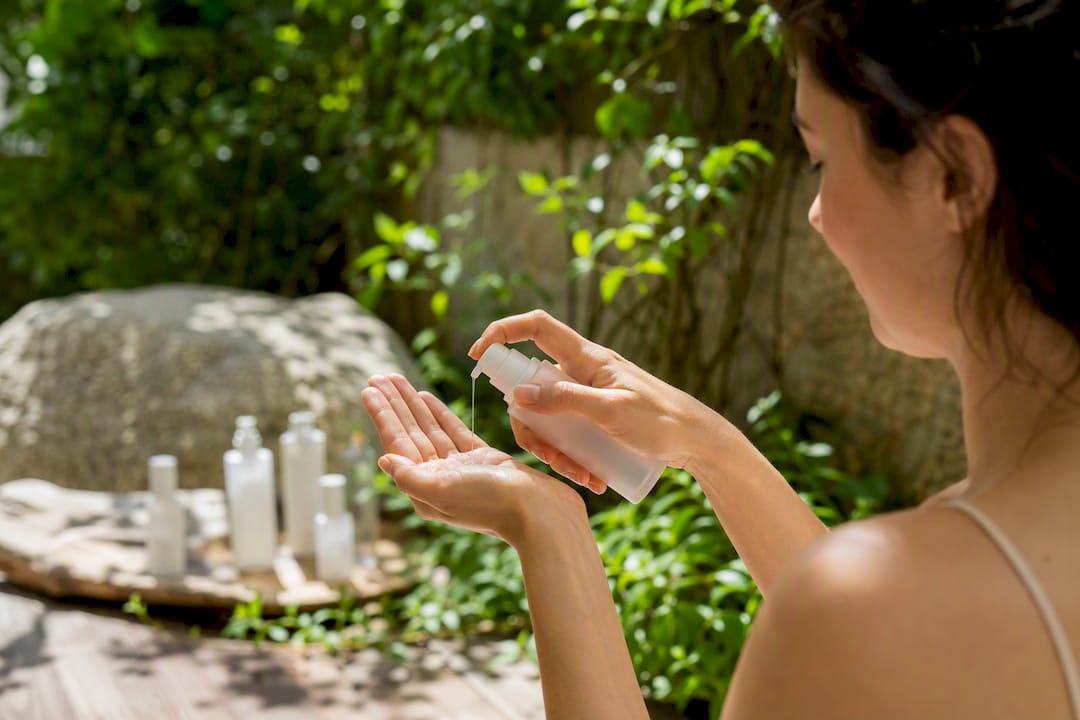
Peptides work best as leave-on products, since they need time on skin to send their signal. A serum applied under moisturizer, morning or night, is the most reliable format. Layering order matters more than people assume.
Cleanse, then apply any water-based treatments first.
Apply your peptide serum on slightly damp skin, before heavier creams.
Follow with moisturizer to seal it in, then sunscreen if it’s morning.
If you use a retinoid, apply it on alternating nights or at a different time of day than peptides, since retinoids can be irritating when stacked with active-heavy routines.
Peptides pair well with hyaluronic acid, niacinamide, and antioxidants like vitamin C, and combining peptides with hydrators such as hyaluronic acid and barrier-supporting ceramides tends to speed up visible improvements in texture. A simple AM routine might be cleanser, peptide serum, moisturizer, sunscreen. A PM routine could be cleanser, peptide serum, a richer night cream, with retinoid nights kept separate.
Pro Tip: Don’t judge a peptide product after one week. Track hydration and softness in the first few days, but give firmness and fine-line changes a full 8 to 12 weeks before deciding if it’s working.
Cleveland Clinic dermatologists note that peptides are one component of an effective routine, meaning consistency and sun protection matter just as much as the peptide itself.
Are Peptides Safe, and What Are Their Limits?
Topical peptides are generally well tolerated, even on sensitive and acne-prone skin, since they work by signaling rather than exfoliating or irritating the surface. That’s a real advantage over retinol, which can cause dryness and peeling during the adjustment period.
The limitations show up when people expect topical peptides to match injectable or procedural results. They won’t. And the injectable peptide market carries real risk: many injectable peptides sold online are unregulated, marketed as experimental therapies with limited human safety data. Skip gray-market peptide injections entirely, no matter how they’re marketed on social media.
Before buying a topical peptide product, check for a few things:
Peptides listed in the first half of the ingredient list, not buried near the preservatives.
Opaque or airless packaging that protects against oxidation.
Clear concentration or “clinically tested” language rather than vague claims.
A brand willing to explain its formulation, not just its marketing copy.
Talk to a dermatologist if you’re combining peptides with prescription retinoids, have reactive or compromised skin, or have a medical condition that affects wound healing.
What Our Editor Thinks You Should Prioritize
Most peptide marketing skips the part that actually predicts results: formulation. Formulator research shows peptide stability, pH, and packaging are common reasons products underperform even when the ingredient list looks impressive. That’s why Essencezenith prioritizes packaging and formulation transparency, not just headline ingredients, when curating its skincare selection, and why every listing gets checked against its 30-day satisfaction guarantee before it’s worth your money.
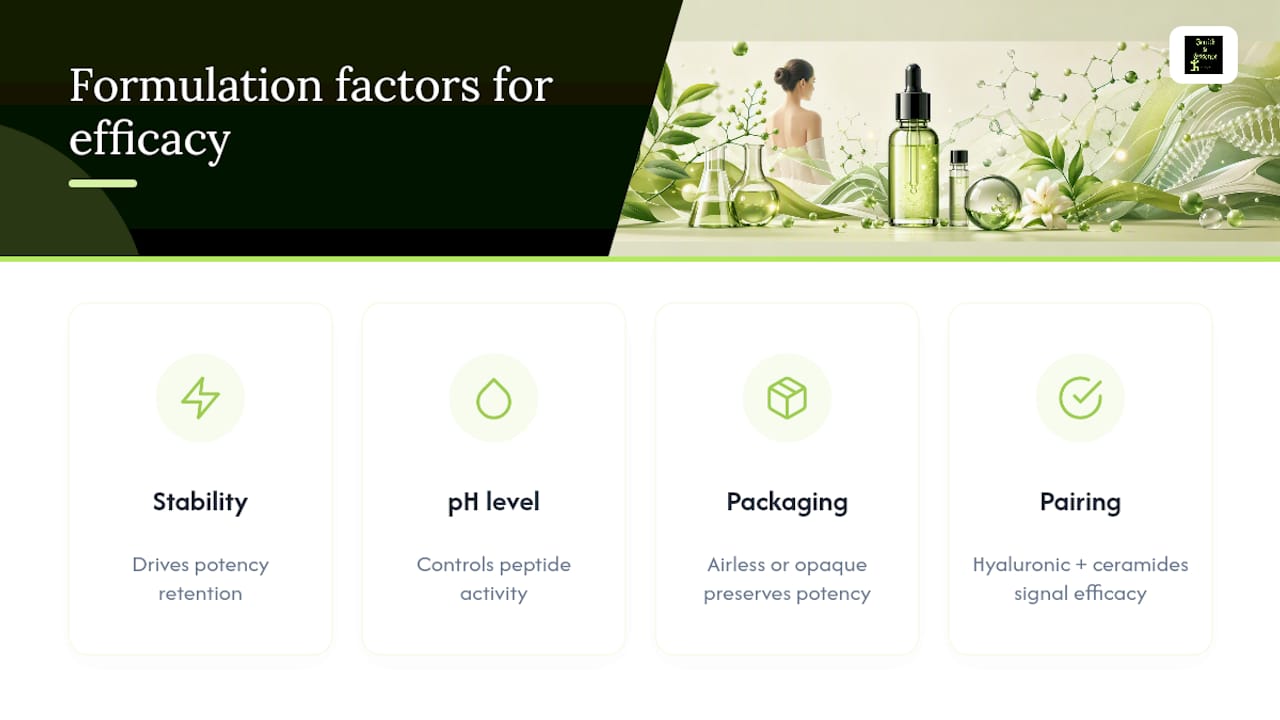
A practical checklist before buying: peptide placement on the label, whether the packaging is airless or opaque, what it’s paired with (hyaluronic acid and ceramides are good signs), and whether real customer reviews mention texture and hydration changes, not just marketing language. For deeper label literacy, our guide to reading beauty product labels walks through exactly what to look for.
, and that firsthand look at formulation quality is exactly why “cheap peptide serum” and “effective peptide serum” are rarely the same bottle.
— Norman
Try a Curated Peptide Serum Without the Guesswork
Essencezenith’s advantage over scrolling through endless serums online is simple: every peptide product in the catalog has already been checked for the things that actually predict performance, like packaging, concentration transparency, and pairing with hydrators like hyaluronic acid. You’re not left comparing vague label claims on your own.

If you want to start with something dermatologist-backed and beginner-friendly, browse the hydrating facial serum, formulated with peptides alongside barrier-supporting ingredients. Every purchase is backed by a 30-day satisfaction guarantee, so if a peptide product doesn’t work for your skin, you can return it unused. Check the product page for current availability and add it to your routine this week.
This article is general information, not a substitute for advice from a qualified doctor. Consult a qualified healthcare professional about your own circumstances before acting on anything here.
Sources
FAQ
What Do Peptides Do in Skincare?
Peptides signal skin cells to produce more collagen and elastin, support hydration and barrier repair, and reduce inflammation, leading to firmer, more resilient skin over weeks of consistent use.
Are Peptides Better Than Retinol?
They work differently rather than one being universally better: retinol accelerates cell turnover and can cause irritation, while peptides signal collagen production with a much lower risk of dryness or peeling, making them a gentler option for sensitive skin.
How Long Until You See Results From Peptides?
Hydration improvements can appear within days, but firmness and fine-line changes typically take 8 to 12 weeks of consistent use to become noticeable.
What Are Copper Peptides Used For?
Copper peptides skincare formulas act as carrier peptides, delivering copper to support wound healing, enzyme activity, and skin repair, and they commonly appear in recovery-focused serums.
Can You Use Peptides With Vitamin C or Retinol?
Yes. Peptides pair well with antioxidants like vitamin C and can be used alongside retinoids, though applying them at different times of day, such as peptides in the morning and retinoids at night, helps limit irritation.
Recommended
Comments