
Your Hyperpigmentation Skincare Routine, Step by Step
- Norman Church
- Aug 10
- 14 min read


The most effective hyperpigmentation skincare routine follows a simple split: antioxidant protection in the morning, targeted treatment at night, and daily SPF without exception. In the morning, that means a gentle cleanse, a vitamin C or niacinamide serum, a barrier-supporting moisturizer, and a broad-spectrum SPF 30–50 (tinted with iron oxides if you’re dealing with melasma or post-inflammatory hyperpigmentation). At night: cleanse again, apply your targeted active (azelaic acid, tranexamic acid, or a retinoid depending on your pigment type), then moisturize.
What to expect:
Surface-level brightening can appear in 2–4 weeks, but that’s mostly exfoliation and improved radiance, not real pigment reduction.
Meaningful fading of most dark spots takes 6–12 weeks of consistent use.
Melasma and deep dermal pigment often need months of maintenance, and sometimes professional support.
There are no credible 7-day fixes. Anyone promising otherwise is selling you a surface sheen.
Key Takeaways
A consistent AM antioxidant plus PM targeted active routine, combined with daily tinted SPF, is the most reliable approach to reducing hyperpigmentation over 6–12 weeks.
Point | Details |
Daily tinted SPF is non-negotiable | Choose iron-oxide tinted SPF 30–50 to block both UV and visible light, especially for melasma and PIH. |
Introduce actives one at a time | Start every other night for two weeks before increasing frequency to avoid irritation-triggered PIH. |
Realistic timeline: 6–12 weeks minimum | Surface PIH may show change by week 6; melasma and deep pigment need 4–6 months of consistent care. |
Target the full pigment supply chain | Combine a production inhibitor (vitamin C), transfer blocker (niacinamide), and turnover accelerator (retinoid or AHA) for best results. |
Essencezenith starter kit | Essencezenith offers a curated kit with cleanser, vitamin C serum, niacinamide moisturizer, tinted SPF, and a gentle treatment active, backed by a 30-day guarantee. |
Table of Contents
What hyperpigmentation is and how to identify your type
Hyperpigmentation is a catch-all term for patches of skin that appear darker than the surrounding area because of excess melanin. Melanin is produced by melanocytes, transferred to surrounding skin cells (keratinocytes), and eventually shed as those cells turn over. When any part of that pigment supply chain gets disrupted or overactivated, you get visible darkening.
The type you have matters because it determines which actives will actually work.
Post-inflammatory hyperpigmentation (PIH): Appears after skin trauma — acne, eczema, a bug bite, or even aggressive scrubbing. Usually flat, brown to dark brown, and located where the original inflammation was. More common and often more intense in medium to deep skin tones.
Sunspots (solar lentigines): Flat, well-defined spots caused by cumulative UV exposure. Typically appear on the face, hands, and chest. They don’t fade on their own without treatment and photoprotection.
Melasma: Larger, blotchy patches with irregular borders, usually on the cheeks, forehead, or upper lip. Driven by hormones (pregnancy, contraceptives, thyroid issues) combined with UV and visible light exposure. Notoriously stubborn.
Depth matters as much as type. Epidermal pigment (closer to the surface) responds faster to topical actives and exfoliation. Dermal pigment sits deeper and may need months of treatment or professional intervention. A Wood’s lamp exam at a dermatologist’s office can help identify which layer is involved — and save you months of using the wrong products.
What triggers new pigment and how to stop it
You can use the best actives in the world and still lose ground if you’re not managing triggers. Melanocytes are reactive cells. Anything that stresses or stimulates them can restart the cycle.
UVA and UVB radiation: The most consistent trigger. UV directly stimulates melanin production and worsens every type of hyperpigmentation. This is why SPF is non-negotiable, not optional.
Visible light (HEV/blue light): Often overlooked. Visible light, particularly in the 400–700 nm range, can trigger pigment in people with melasma and PIH even on cloudy days or indoors near windows. Standard chemical and mineral sunscreens don’t fully block this spectrum.
Heat: Infrared radiation and heat from cooking, saunas, or hot environments can independently stimulate melanocytes, particularly in melasma.
Inflammation: Every time skin becomes inflamed — from acne, eczema, rosacea, or even over-exfoliation — it can leave a PIH mark behind. Picking at blemishes dramatically increases this risk.
Hormones: Estrogen and progesterone fluctuations (pregnancy, hormonal contraceptives, perimenopause) prime melanocytes to overreact to UV and visible light. This is the core driver of melasma.
Medications: Some drugs, including certain antibiotics (like doxycycline), antimalarials, and chemotherapy agents, can cause drug-induced hyperpigmentation as a side effect.
Pro Tip: The two highest-impact, lowest-effort changes you can make today are switching to a tinted iron-oxide sunscreen and stopping any habit of touching or picking at active breakouts. Both address triggers directly rather than just treating the aftermath.
Daily prevention: sunscreen, antioxidants, and barrier care
Prevention isn’t a passive step. It’s what protects every dollar and week you invest in treatment.
Broad-spectrum SPF 30–50, every morning. This is the single most important product in any routine for uneven skin tone. Reapply every two hours when outdoors. For melasma and PIH, the AAD recommends tinted sunscreens containing iron oxides because they block visible light, which standard sunscreens leave unaddressed. Look for “iron oxides” explicitly in the ingredient list, not just “tinted” on the label.
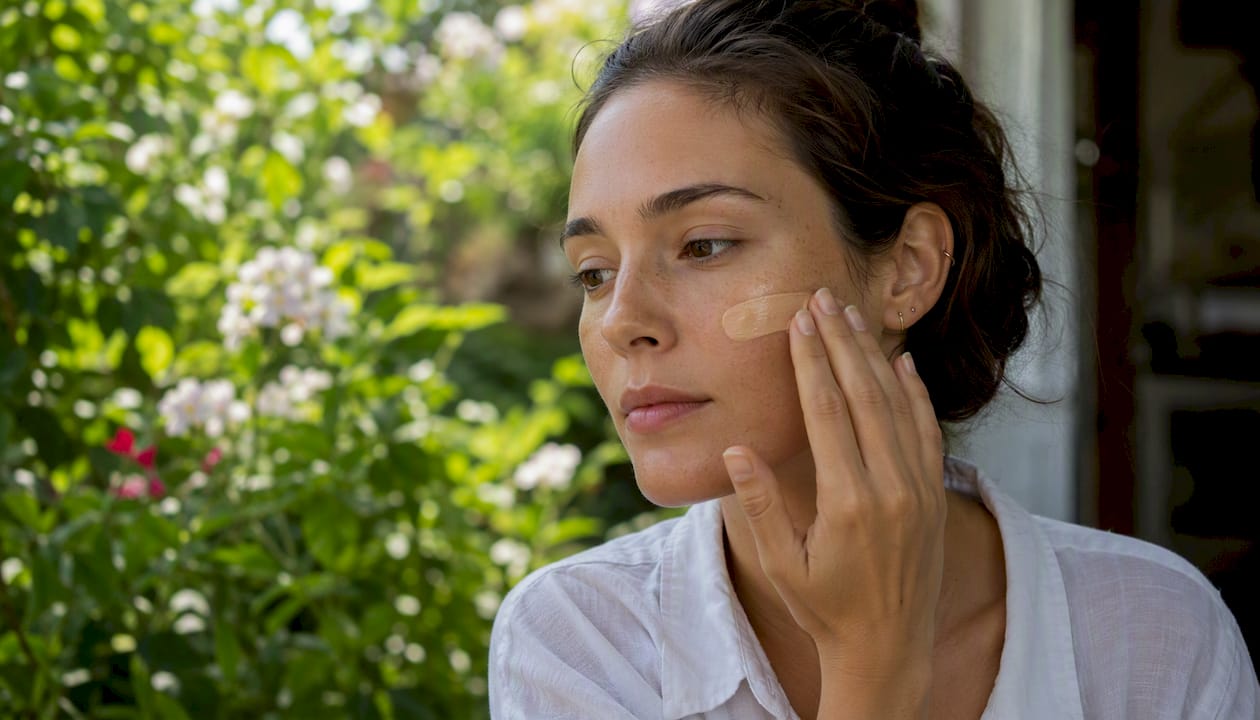
Morning antioxidants, specifically vitamin C. Vitamin C (L-ascorbic acid) neutralizes UV-induced free radicals before they can trigger melanin production. It works alongside SPF rather than replacing it. Vitamin C also mildly inhibits tyrosinase, the enzyme that drives melanin production, giving it a dual role in any antioxidant-focused morning routine.
Barrier-supporting moisturizer. Ceramides, niacinamide, and humectants like hyaluronic acid keep the skin barrier intact. A compromised barrier makes skin more reactive, more prone to inflammation, and more likely to develop PIH from treatment itself. This is especially relevant when you’re using actives like retinoids or acids.
Use SPF as the last skincare step before makeup, never mixed into moisturizer.
Reapply SPF with a powder or spray formula when full reapplication isn’t practical.
In summer or at altitude, move up to SPF 50.
Pro Tip: If you’re pregnant or avoiding chemical filters, zinc oxide-based tinted sunscreens with iron oxides are a safe, effective option that covers both UV and visible light.
Active ingredients that actually work for dark spots
The pigment supply chain has three stages: production, transfer, and turnover. The most effective routines target at least two of these simultaneously. No single ingredient covers all three.
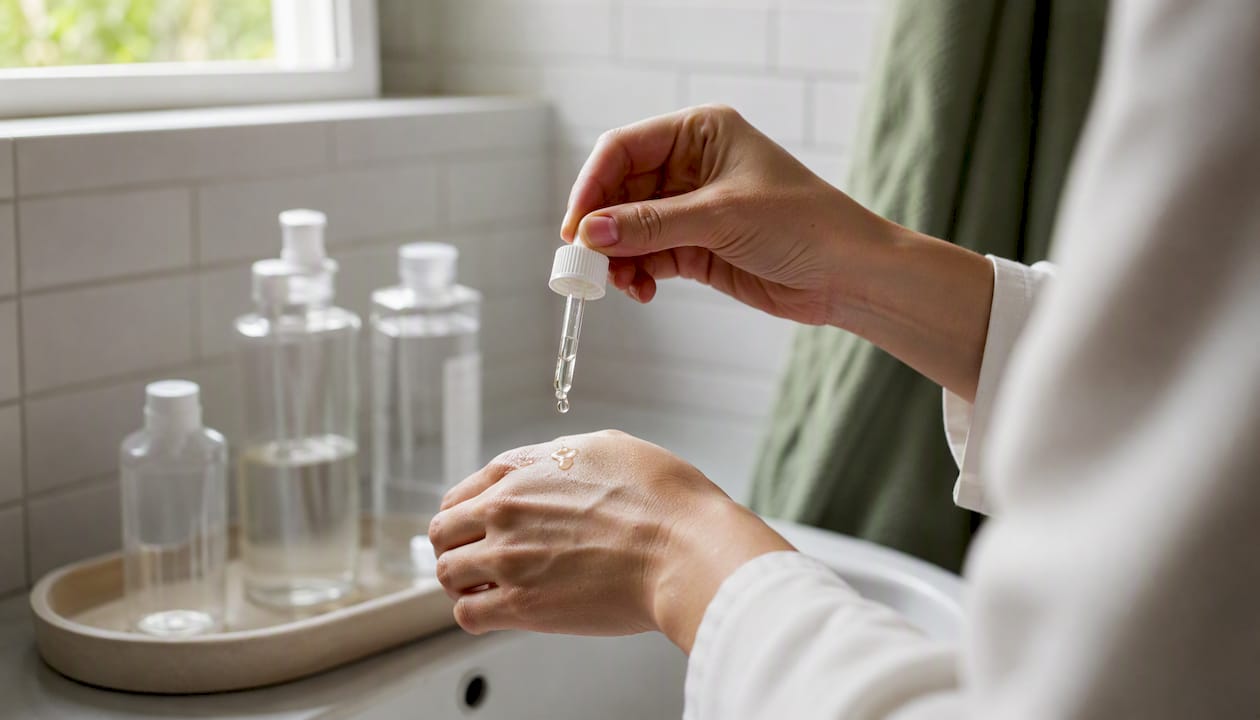
Here’s how the main actives break down:
Active | Mechanism | Best for | Typical concentration | Notes |
Vitamin C (L-ascorbic acid) | Tyrosinase inhibition, antioxidant | Sunspots, general brightening | 10–20% | Use AM; unstable, check formulation |
Niacinamide | Melanosome transfer blocker | PIH, melasma, sensitive skin | 4–10% | Well tolerated; low-pH formulas may enhance efficacy |
Azelaic acid | Anti-inflammatory, tyrosinase inhibitor | PIH, rosacea-related pigment, sensitive skin | 10–20% | Rx at 20%; OTC at 10%; safe in pregnancy |
Tranexamic acid | Plasmin pathway inhibitor | Melasma, stubborn PIH | 2–5% topical | Oral form used under medical supervision only |
Retinoids | Accelerate cell turnover | All types, especially sunspots | 0.025–0.1% tretinoin (Rx); 0.1–0.3% retinol (OTC) | Start slowly; avoid in pregnancy |
Kojic acid | Tyrosinase inhibition | Sunspots, general brightening | 1–4% | Can irritate; use 2–3x/week initially |
AHAs (glycolic, lactic) | Exfoliation, surface turnover | Surface PIH, sunspots | 5–10% daily; 20–30% for peels | Don’t combine with retinoids on same night |
Hydroquinone | Tyrosinase inhibition | Melasma, severe PIH | 2% OTC; 4%+ Rx only in the U.S. | Use under dermatologist supervision; cycle off |
A randomized split-face trial in 27 patients found that 4% niacinamide produced measurable improvement in melasma with fewer side effects than 4% hydroquinone over eight weeks. The sample was small, but the finding is consistent with niacinamide’s known mechanism: it blocks the transfer of melanosomes from melanocytes to keratinocytes rather than suppressing production, which means it works differently from most brightening actives and pairs well with them.
Introduce one active at a time. Wait two weeks before adding another.
Patch test every new product on the inner arm for 48 hours before applying to the face.
In the U.S., hydroquinone above 2% is prescription-only and should be used under dermatologist supervision with planned cycling (typically no more than 3–4 months continuous use).
Avoid combining multiple exfoliants or strong acids on the same night.
Your step-by-step morning routine for pigmentation control
A well-ordered AM routine takes about five minutes and does most of its work before you leave the house. The logic is simple: protect first, treat second (with antioxidants), seal third, then block UV.
Gentle cleanser. Use a low-pH, non-stripping formula. Avoid scrubs or foaming cleansers with sulfates if your skin is sensitive or prone to PIH.
Vitamin C serum. Apply to slightly damp skin. L-ascorbic acid at 10–20% is the gold standard. Wait 30–60 seconds before the next step to let it absorb and stabilize.
Niacinamide serum or moisturizer. If you’re using a separate niacinamide serum (4–10%), apply it here. Alternatively, use a moisturizer that contains niacinamide, ceramides, and a humectant. This step supports the barrier and adds transfer-blocking activity.
Broad-spectrum SPF 30–50. Apply generously — about a quarter teaspoon for the face. If you have melasma or stubborn PIH, choose a tinted formula with iron oxides. Check the ingredient list, not just the packaging.
Optional: makeup with SPF. Foundation or tinted moisturizer with SPF adds a layer but does not replace the dedicated sunscreen step.
Clinicians recommend this AM antioxidant-then-SPF approach because vitamin C and sunscreen work synergistically — the antioxidant neutralizes free radicals that SPF alone doesn’t catch.
Pro Tip: Outdoors for more than two hours? Reapply SPF with a setting spray or powder formula over makeup. A single morning application doesn’t hold through sweat, sebum, or rubbing.
Your step-by-step evening routine for targeted treatment
The PM routine is where the real treatment happens. Your skin’s repair processes peak at night, and without UV exposure, actives like retinoids and acids can work without the risk of photosensitivity.
Remove sunscreen and makeup. Use a dedicated makeup remover or cleansing balm first if you wore heavy SPF or foundation. A micellar water or oil cleanser works well here.
Gentle second cleanse. A low-pH gel or cream cleanser to clear the rest without stripping the barrier.
Targeted active (choose based on your pigment type):
PIH or sensitive skin: azelaic acid 10–20% or tranexamic acid 2–5%
Sunspots or general aging pigment: retinoid (start with retinol 0.1–0.3%, or tretinoin 0.025% Rx)
Melasma: tranexamic acid or azelaic acid; retinoids as a secondary option
Exfoliation night (1–2x/week): glycolic or lactic acid 5–10% instead of the treatment active
Moisturizer. Apply a ceramide-rich or barrier-supportive moisturizer. For retinoid nights, apply moisturizer first (the “sandwich” method: moisturizer → retinoid → moisturizer) to reduce irritation without significantly reducing efficacy.
Optional occlusive. A thin layer of petrolatum or a barrier balm over the moisturizer on dry or compromised skin nights.
Pro Tip: Never use a glycolic acid or lactic acid exfoliant on the same night as a retinoid. The combined pH disruption and cell-turnover acceleration is a fast track to irritation and, ironically, more PIH. Alternate: retinoid Monday/Thursday, AHA Wednesday.
How to introduce actives safely without worsening pigmentation
Irritation is the most common route to treatment failure in hyperpigmentation, particularly for medium to deep skin tones where inflammation reliably triggers more PIH. Dermatologists consistently recommend starting potent actives a few nights per week and building tolerance before increasing frequency.
Patch test first. Apply the product to the inner forearm or behind the ear. Wait 48 hours. If no reaction, proceed to the face.
Start every-other-night for two weeks. This applies to retinoids, strong AHAs, and azelaic acid. If no burning, flaking, or redness develops, increase to nightly use.
One new active at a time. Adding two new products in the same week makes it impossible to identify which one caused a reaction.
Keep a single primary active per night. Stacking a retinoid with a glycolic acid and a vitamin C all in one PM routine is a common mistake that leads to barrier damage and rebound pigmentation.
Do not combine in-office procedures with a new aggressive home routine without professional guidance. A fresh chemical peel followed by nightly tretinoin is a setup for post-procedure PIH.
Stop and see a clinician if you experience: persistent burning that doesn’t resolve within 30 minutes of application, spreading redness beyond the application area, new hyperpigmentation appearing in previously clear skin, or any sign of infection (warmth, swelling, discharge).
When to see a dermatologist and what to expect
Topical routines handle a lot, but some pigmentation needs clinical support. Knowing when to escalate saves months of ineffective self-treatment.
Escalate when:
Pigment is spreading rapidly or changing in texture (rule out melanoma).
You’ve been consistent with topicals and strict photoprotection for 12+ weeks with no improvement.
Melasma keeps returning despite maintenance therapy.
You’re unsure whether the pigment is epidermal or dermal (a Wood’s lamp exam clarifies this).
You want prescription-strength options like tretinoin or 4% hydroquinone.
Common in-office options:
Prescription combinations: Tretinoin + hydroquinone + a low-potency steroid (the “Kligman formula”) remains a well-studied approach for melasma. Used in cycles to avoid skin thinning.
Chemical peels: Glycolic, salicylic, or trichloroacetic acid peels accelerate turnover and can reduce surface PIH. Results vary; multiple sessions are typical.
IPL and pigment-targeted lasers: Effective for sunspots and some PIH, but carry a higher relapse risk for melasma and a real risk of post-procedure PIH in darker skin tones.
Oral tranexamic acid: Used off-label for melasma under medical supervision; some clinical evidence supports its use.
Pro Tip: If you have a medium to deep skin tone, specifically ask your provider about their experience treating darker skin. Request a test spot before any laser or peel on the full face. Conservative settings and staged treatments dramatically reduce the risk of procedure-triggered PIH, per AAD guidance on darker skin tones.
What the research says about visible light and niacinamide
Two areas of evidence stand out as underused in most consumer routines: visible light protection and niacinamide’s formulation-dependent efficacy.
Standard sunscreens (both chemical and mineral) are tested and rated against UV. Visible light, the spectrum you can see (roughly 400–700 nm), sits just outside that range and is a documented trigger for melasma and PIH. The AAD specifically recommends tinted sunscreens with iron oxides for patients with these conditions because iron oxides absorb visible light in a way that untinted formulas don’t.
On niacinamide: the split-face trial comparing 4% niacinamide to 4% hydroquinone over eight weeks in 27 patients showed comparable improvement with fewer side effects on the niacinamide side. That’s a small sample, and the finding shouldn’t be read as “niacinamide equals hydroquinone at scale.” But it does confirm that niacinamide is a clinically meaningful active, not just a filler ingredient. Separately, small in vitro and clinical studies suggest that niacinamide formulated at a lower pH may suppress melanogenesis more effectively than neutral-pH versions, meaning the formulation itself, not just the percentage, can affect results. When evaluating product labels, pH and vehicle matter alongside the ingredient name.
Pro Tip: Pair a niacinamide-containing moisturizer with a tinted iron-oxide SPF every morning. You get a transfer blocker and visible-light protection in two steps, which is the most practical combination for melasma and stubborn PIH.
Routine templates for different skin types and pigment causes
PIH on acne-prone, oily skin
AM: Oil-control cleanser → niacinamide serum (5–10%) → lightweight gel moisturizer → tinted SPF 50 with iron oxides
PM: Double cleanse → azelaic acid 10% (nightly) or salicylic acid 2% (2–3x/week on alternate nights)→ oil-free moisturizer
Main active: Azelaic acid (anti-inflammatory + tyrosinase inhibitor)
Gentle alternative: Niacinamide 5% if azelaic causes initial flushing
Timeline: Surface PIH: 6–8 weeks; deeper marks: 12+ weeks
Melasma or hormonal patchy pigment
AM: Gentle cream cleanser → vitamin C serum → moisturizer with ceramides → tinted iron-oxide SPF 50
PM: Double cleanse → tranexamic acid 3–5% or azelaic acid 15–20% → barrier moisturizer
Main active: Tranexamic acid (plasmin pathway inhibitor)
Gentle alternative: Azelaic acid 10% if tranexamic is unavailable
Timeline: 12–16 weeks minimum; ongoing maintenance required; avoid hormonal triggers where possible
Sunspots and photoaging
AM: Gentle cleanser → vitamin C 15–20% → moisturizer → SPF 50
PM: Gentle cleanser → retinol 0.2–0.3% (3–4x/week) → ceramide moisturizer
Main active: Retinoid (accelerates turnover, fades surface pigment)
Gentle alternative: Glycolic acid 5–8% on non-retinoid nights
Timeline: 8–12 weeks for surface spots; deeper pigment takes longer
Sensitive or darker skin tones prone to PIH
AM: Fragrance-free gentle cleanser → niacinamide 4% → ceramide moisturizer → tinted mineral SPF with iron oxides
PM: Gentle cleanse → azelaic acid 10% (every other night to start) → rich barrier moisturizer
Main active: Azelaic acid (well tolerated, safe for all skin tones)
Gentle alternative: Tranexamic acid 2% if azelaic causes initial tingling
Timeline: 8–12 weeks; go slowly; irritation sets progress back significantly
Combination skin with occasional breakouts
AM: Balancing gel cleanser → vitamin C or niacinamide serum → lightweight moisturizer → SPF 30–50
PM: Cleanse → rotate actives: retinol (2x/week), AHA (1x/week), azelaic acid (remaining nights) → moisturizer
Main active: Rotating schedule to address turnover, transfer, and inflammation
Gentle alternative: Reduce retinol to 1x/week in winter or during hormonal flares
Timeline: 8–12 weeks; adjust frequency seasonally
Seasonal note: Increase SPF vigilance in summer and at altitude. During pregnancy, stick to azelaic acid, niacinamide, and physical/tinted SPF. Avoid retinoids, hydroquinone, and high-dose salicylic acid.
Mistakes that slow progress or make pigmentation worse
The most common reason routines fail isn’t the wrong ingredient. It’s inconsistency, impatience, or doing too much at once.
Skipping SPF on cloudy days or indoors. UV and visible light penetrate windows and cloud cover. One unprotected day can undo a week of treatment.
Layering too many actives at once. Three brightening serums plus a retinoid plus an AHA is not more effective. It’s a barrier breakdown waiting to happen, and barrier damage causes PIH.
Aggressive at-home peels. High-concentration glycolic or TCA peels without professional guidance frequently cause post-peel PIH, especially in darker skin tones.
Picking at blemishes or scabs. This is the fastest way to convert a temporary pimple into a months-long dark mark.
Expecting results in a week. Early brightness in the first 1–2 weeks is usually surface exfoliation or improved radiance, not actual pigment reduction. Sustained fading requires consistent inhibition of the full pigment cycle.
Timeline reality check:
Pigment type | Earliest visible change | Typical meaningful improvement |
Surface PIH (epidermal) | 4–6 weeks | 8–12 weeks |
Deep PIH (dermal) | 8–12 weeks | 4–6 months |
Sunspots (solar lentigines) | 6–8 weeks | 12–16 weeks |
Melasma | 8–12 weeks | 4–6 months (with maintenance) |
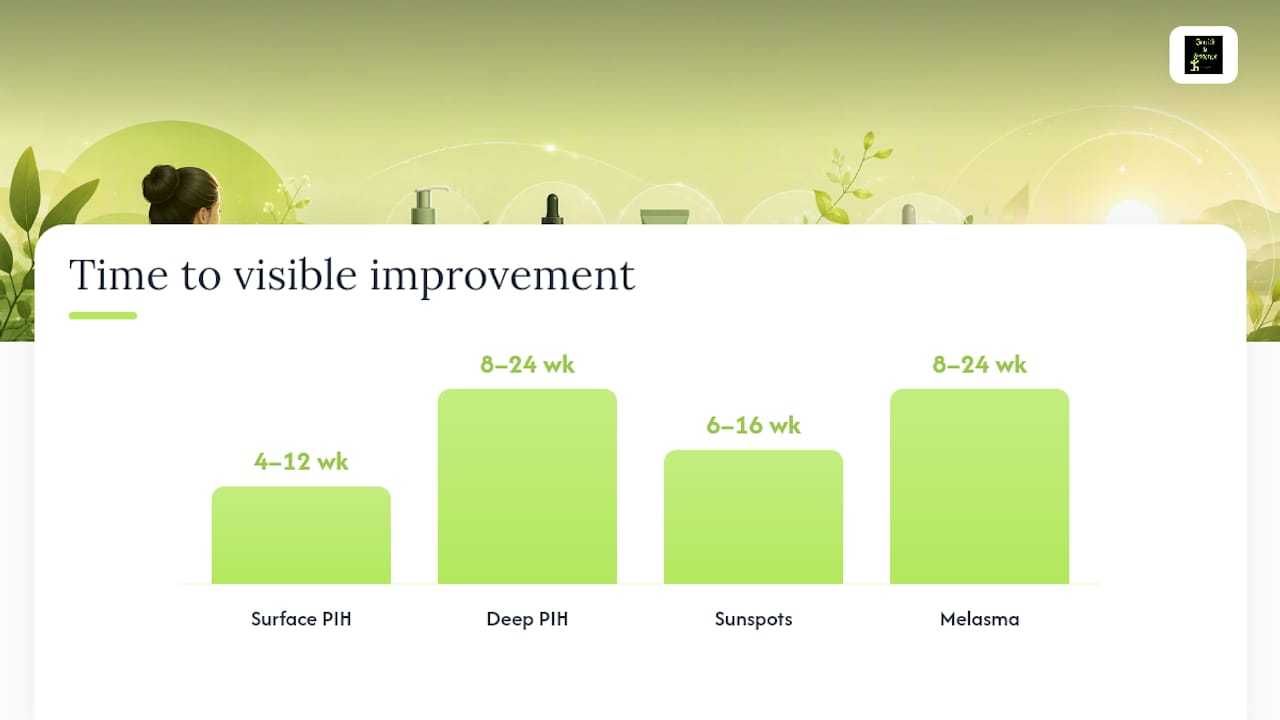
Dermatologists consistently report that visible improvement for most topical treatments appears in 6–12 weeks, with deeper pigment and melasma requiring longer and ongoing maintenance. Any product claiming visible pigment reduction in seven days is describing surface sheen, not melanin reduction.
The case for patience over product-hopping
There’s a pattern worth naming: people try a brightening serum for three weeks, see no dramatic change, and switch to the next trending active. Then they add two more products because they read that combination is “synergistic.” Six months later, their skin is more reactive than when they started, and the original dark spots are still there.
The evidence consistently points in one direction: a simple, consistent routine beats a complicated one. Clinicians emphasize that introducing actives gradually and sticking with them long enough to see real results is what separates people who improve from people who spin their wheels. The pigment supply chain doesn’t respond to novelty. It responds to sustained, targeted pressure over weeks and months.
The other thing worth saying plainly: barrier care is not a boring step. A damaged barrier makes every active you apply more irritating and less effective. Ceramides and a good moisturizer aren’t filler. They’re what keeps the rest of the routine working.
Essencezenith’s curated starter kit for hyperpigmentation
Getting the right products in the right order is half the battle. Essencezenith curates a straightforward hyperpigmentation starter kit built around the routine structure in this article: a gentle fragrance-free cleanser, a vitamin C antioxidant serum, a niacinamide-containing moisturizer, a tinted iron-oxide SPF, and a gentle AHA or azelaic acid treatment for evening use.

Every product in the kit is selected for ingredient transparency and sustainable formulation, with no unnecessary irritants. The kit is available with fast shipping across the United States, and every purchase is covered by Essencezenith’s 30-day satisfaction guarantee — unused items can be returned, no questions asked. You can also browse affordable skincare options and the full online buying guide before committing.
For persistent melasma, suspected dermal pigment, or any pigmentation that hasn’t responded to a consistent 12-week topical routine, a dermatologist consultation is the right next step rather than escalating your home routine. Visit Essencezenith to explore the full kit and start your routine with products you can trust.
Sources
This article is general information, not a substitute for advice from a qualified doctor. Consult a qualified healthcare professional about your own circumstances before acting on anything here.
FAQ
How long does a hyperpigmentation skincare routine take to work?
Most people see meaningful fading in 6–12 weeks with consistent use of topical actives and daily SPF. Melasma and deep dermal pigment typically need 4–6 months and ongoing maintenance.
Can you treat hyperpigmentation in toddlers?
Hyperpigmentation in toddlers should always be evaluated by a pediatric dermatologist before any treatment is attempted. Most adult actives (retinoids, AHAs, hydroquinone) are not appropriate for young children, and the cause needs to be diagnosed first.
Is niacinamide or vitamin C better for dark spots?
They work differently and complement each other. Niacinamide blocks melanosome transfer and is better tolerated by sensitive skin; vitamin C inhibits melanin production and adds antioxidant protection. Using both in your routine (vitamin C in the AM, niacinamide in AM or PM) targets two separate stages of the pigment supply chain.
Can you remove pigmentation in 7 days?
No topical treatment reduces actual melanin in seven days. Early brightness in the first week reflects surface exfoliation or improved radiance, not pigment reduction. Sustained fading requires weeks to months of consistent treatment.
When should you see a dermatologist for hyperpigmentation?
Recommended
Comments