
Why One-Size-Fits-All Beauty Fails Your Skin

TL;DR:
Generic beauty products fail because skin is a dynamic biological system that varies daily and responds to environmental factors. They also fall short due to cultural standards that pressure individuals into unrealistic beauty ideals, causing dissatisfaction. Personalized skincare using professional assessment and real-time evaluation offers more effective results by addressing each person’s current skin needs.
One-size-fits-all beauty is defined as the practice of formulating and marketing a single product to suit every skin type, tone, and condition simultaneously. It fails because human skin is genetically diverse, environmentally reactive, and psychologically shaped by cultural standards that no single formula can address. The beauty industry has long sold the idea that a universal moisturizer or a “perfect” foundation shade range covers everyone. The science, the psychology, and the data all say otherwise. Understanding why generic beauty products fall short is the first step toward building a routine that actually works for you.
Why one-size-fits-all beauty fails at the science level
Generic beauty products fail for one core biological reason: skin is not a fixed surface. Genetics, climate, diet, stress, and hormones all alter skin behavior from week to week. A product formulated to be safe for the broadest possible audience cannot be optimized for any individual within it.
Mass-market active ingredients are kept intentionally low to avoid reactions across diverse skin types. That safety compromise directly reduces efficacy. A niacinamide serum at 2% concentration will not address hyperpigmentation the way a clinically formulated 10% version will. The product is technically safe for everyone and genuinely effective for almost no one.
The formulation problem runs deeper than concentration. Many mass-market products try to solve conflicting skin concerns in a single bottle. Combining occlusive agents with harsh exfoliators, for example, damages the skin barrier and triggers irritation. The result is a cycle of purchasing, reacting, and repurchasing that costs money and worsens skin over time.
Skin also changes daily. Stress spikes cortisol, which increases oil production. A cold, dry winter week dehydrates even oily skin. A static product purchased based on a one-time quiz cannot account for those shifts. The quiz captures a snapshot; your skin keeps moving.
Genetic variation determines baseline oil production, melanin distribution, and barrier strength
Environmental factors like UV exposure, humidity, and pollution alter skin behavior in real time
Hormonal cycles change hydration levels, sensitivity, and breakout frequency
Diet and sleep quality directly affect inflammation and skin repair speed
Pro Tip: Before buying any new skincare product, assess your skin’s current state rather than its average state. Touch your face midday without any product on it. Is it tight, oily, or balanced? That answer today may differ from your answer three weeks ago, and your product choice should reflect that.
How beauty standards make the problem worse
The failure of generic beauty is not only chemical. Cultural and psychological beauty standards create a second layer of pressure that universal products cannot resolve.
The “no-makeup” look is the clearest example of this contradiction. The aesthetic signals effortless, natural beauty. The execution requires primers, skin-tinted moisturizers, concealer, brow gel, and setting spray. TikTok’s #NoMakeupMakeup hashtag has surpassed 1.7 billion views. That number reflects a societal expectation, not a personal choice. The standard demands invisible labor and then rewards it as if it were natural.
“Women with strong feminist identities can critique toxic beauty ideals on a societal level, yet still experience negative feelings about their own bodies after viewing idealized images. Dismantling internalized standards is a separate, harder psychological challenge than recognizing them intellectually.” Research on feminist identity and body image
That gap between intellectual critique and personal feeling is exactly where universal beauty standards do their damage. A person can know that a “perfect skin” ideal is constructed and still feel inadequate when a product fails to deliver it. Generic beauty products feed that cycle by promising universal results they cannot deliver.
The consequences of this pressure show up in specific patterns:
Self-surveillance increases when beauty standards are narrow and publicly enforced
Diverse skin tones, textures, and features get excluded from mainstream “ideal” imagery
Products marketed as universal often center one skin type, usually light and dry, as the default
Dissatisfaction with results gets misattributed to personal failure rather than product design
Inclusive brand efforts still fall short when expanded shade ranges fail to match deeper complexions accurately. Representation in marketing without precision in formulation is a cosmetic fix, not a real one.
Does technology actually solve personalized beauty?
The beauty industry has invested heavily in AI and algorithmic personalization as the answer to generic products. The results so far are mixed at best.
Facial analysis tools marketed as personalization engines often revert to generic advice regardless of individual facial data. Customers pay for specific recommendations and receive suggestions that could apply to anyone. The algorithm processes an image but lacks the contextual data to interpret what it sees with any real precision.
Purchase history personalization has a similar problem. Recommending products based on what you bought six months ago assumes your skin has not changed. Skin is dynamic, shifting with diet, stress, and environment in ways that past behavior cannot predict. A recommendation engine built on static profiles will consistently lag behind your actual skin needs.
Consumer trust compounds the problem. Only 39% of customers trust brands to use their personal data responsibly, and just 41% believe the personalization benefits justify the privacy cost. That distrust limits how much data people share, which in turn limits how accurate any personalization can be.
The most promising direction is real-time skin state assessment rather than historical profiling. Tools that evaluate your skin’s current hydration, oiliness, and sensitivity before each product recommendation get closer to genuine personalization. That approach is still emerging, and most retail experiences have not caught up to it. Learning more about smarter product matching can help you evaluate which tools are actually worth your time.
Facial analysis algorithms often produce generic output regardless of individual input
Purchase history fails to reflect daily skin fluctuations caused by stress, diet, and climate
Consumer privacy concerns limit the data available for accurate personalization
Real-time skin assessment is the emerging standard but remains rare in mainstream retail
What actually works: practical personalized beauty solutions
Shifting from generic to genuinely personalized beauty does not require a complete overhaul. It requires a different approach to how you select and use products.
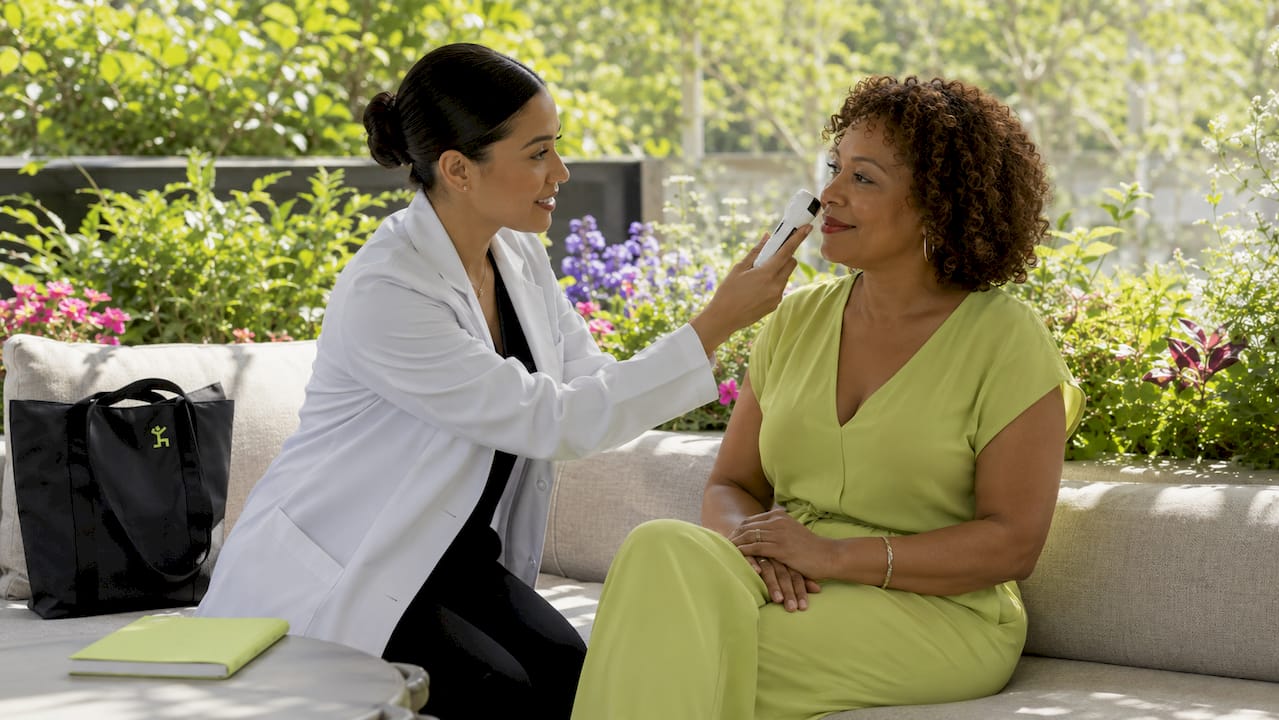
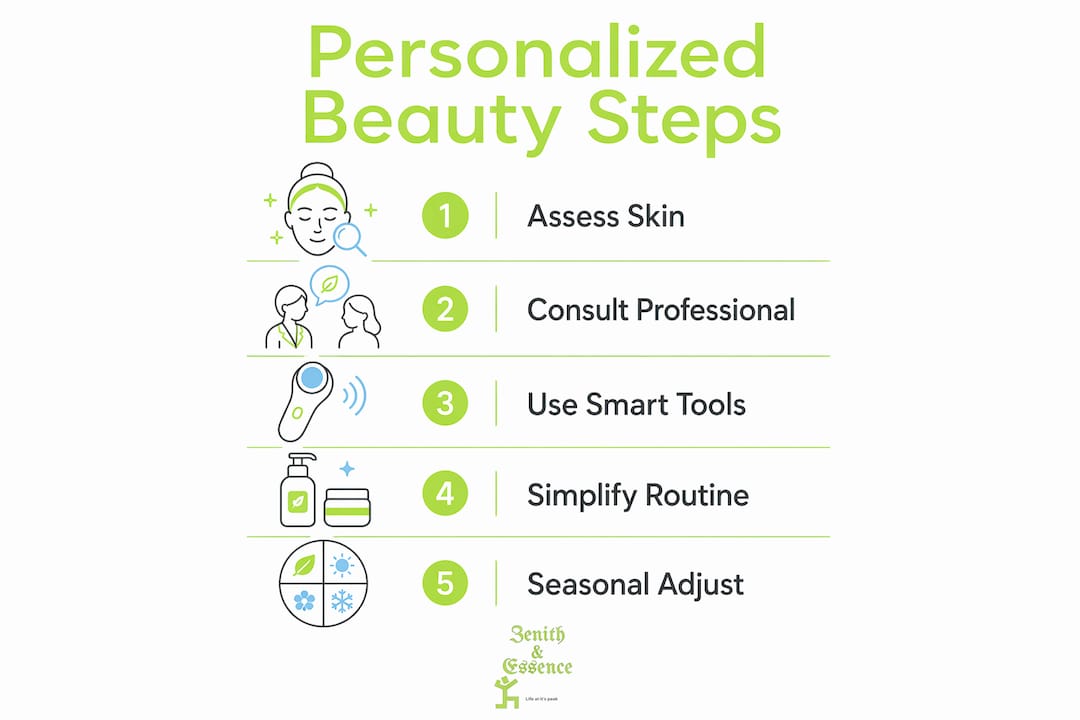
The most effective starting point is a consultation with a licensed esthetician or dermatologist. A professional can assess your Fitzpatrick skin type, identify your barrier function, and recommend active ingredients at concentrations that match your specific concerns. That assessment beats any online quiz because it accounts for what is happening in your skin right now, not what a marketing algorithm predicts.
Real-time skin assessment tools are worth using even outside a clinical setting. Apps and devices that measure hydration and sebum levels before recommending products reflect the dynamic nature of skin far better than a static profile. They are not perfect, but they are a significant improvement over a one-time quiz taken at purchase.
Product simplification is underrated. A focused three-step routine with products matched to your current skin state outperforms a ten-step routine built from generic recommendations. Fewer products mean fewer conflicting ingredients, less barrier disruption, and a clearer picture of what is actually working.
Pro Tip: Rotate your routine seasonally. Your summer skin and your winter skin are not the same. A lightweight gel moisturizer that works in July will likely under-deliver in January. Treat seasonal skin shifts the way you treat wardrobe changes: planned, not reactive.
Approach | What it addresses |
Professional skin consultation | Identifies your skin type, barrier health, and specific active ingredient needs |
Real-time skin assessment tools | Captures daily fluctuations in hydration, oiliness, and sensitivity |
Simplified, focused routines | Reduces ingredient conflicts and makes it easier to identify what works |
Seasonal product rotation | Accounts for environmental shifts that static routines ignore |
Checking a quality assurance checklist before buying from any brand helps you filter out products that claim personalization but deliver generic formulations. Knowing what to look for in ingredient transparency and concentration disclosure saves both money and skin.
Key Takeaways
Generic beauty products fail because they cannot accommodate the biological, psychological, and environmental complexity of individual skin needs.
Point | Details |
Formulation limits efficacy | Low active ingredient concentrations keep mass products safe but reduce their effectiveness for specific concerns. |
Conflicting ingredients cause harm | Products combining occlusive and exfoliating agents damage the skin barrier and create repurchase cycles. |
Cultural standards add pressure | Universal beauty ideals create invisible labor and dissatisfaction that no single product can resolve. |
AI personalization has real gaps | Algorithmic tools often produce generic advice and rely on static data that misrepresents current skin needs. |
Real-time assessment is the standard | Evaluating your skin’s current state before choosing products delivers better results than any historical profile. |
The beauty industry’s blind spot no one talks about enough
The conversation about personalized beauty tends to focus on shade ranges and skin type categories. That framing misses the deeper problem. Skin is not a category. It is a living system that responds to everything you eat, feel, and breathe.
I have watched the industry cycle through “inclusive” launches for years. A brand expands to 40 shades and earns applause. Then a deeper complexion gets left out, and the criticism follows. The issue is not the number of shades. The issue is that the entire model assumes a product can be designed once and work for everyone. It cannot.
What I find more useful than any product launch is the shift in how people think about their own skin. When you stop asking “which product works for my skin type” and start asking “what does my skin need this week,” the results change. That question requires self-awareness, not a bigger product catalog.
The psychological layer matters just as much as the chemical one. Beauty standards that demand invisible effort and then present the result as effortless create a rigged game. No product wins that game because the game is not about the product. Recognizing that pressure for what it is does not make it disappear, but it does change how you spend your money and your time.
Personalization in beauty is not a trend. It is the correction of a structural flaw in how the industry has always operated. The brands and tools that take it seriously will earn lasting loyalty. The ones that treat it as a marketing angle will keep cycling through backlash.
— Norman
Essencezenith’s approach to beauty that fits you
Generic products waste your money and your skin’s time. Essencezenith curates beauty products built around quality ingredients at meaningful concentrations, paired with genuine customer feedback so you can see real results before you buy.

Every product in the Sustainable Living Essentials collection is selected for ingredient transparency and efficacy, not mass-market safety compromises. Essencezenith backs every purchase with a 30-day satisfaction guarantee, so you can test whether a product actually works for your skin without financial risk. When you are ready to move past generic beauty, Essencezenith gives you the product quality and the purchase confidence to do it right. Read the smart shopping guide to make your next beauty purchase count.
FAQ
Why do mass-market beauty products fail for specific skin concerns?
Mass-market products keep active ingredient concentrations intentionally low to be safe across all skin types. That safety compromise reduces their effectiveness for targeted concerns like hyperpigmentation or acne.
Can AI beauty tools replace a professional skin consultation?
Current AI tools often produce generic recommendations that ignore individual skin nuance. A licensed esthetician or dermatologist provides a real-time, contextual assessment that algorithms cannot yet replicate.
Why does the “no-makeup” look represent a beauty standards failure?
The no-makeup aesthetic requires significant product use to achieve while appearing effortless. It creates invisible labor and enforces narrow professionalism standards that most people cannot meet without considerable effort and expense.
How often should you reassess your skincare routine?
Skin changes with seasons, stress levels, diet, and hormonal shifts. Reassessing your routine every 6–8 weeks, or whenever your environment changes significantly, keeps your products matched to your actual skin needs.
What makes personalized beauty solutions more effective than generic ones?
Personalized solutions match active ingredient types and concentrations to your current skin state. That precision reduces irritation, improves results, and eliminates the waste of products that were never suited to your skin in the first place.
Recommended
Comments