
Why Beauty Returns Are Complicated in 2026
- Norman Church
- Jun 18
- 8 min read

TL;DR:
Beauty returns are challenging due to hygiene regulations, high processing costs, and subjective product experiences. Most opened items are destroyed, leaving only a small percentage eligible for restocking or returnless refunds, which helps reduce waste and costs. Transparency in product information and careful shopping practices can minimize return issues and support more sustainable beauty consumerism.
Beauty returns are complicated because opened cosmetics and personal care products cannot be safely resold under hygiene regulations, forcing retailers to destroy or discard most returned items rather than restock them. This single fact reshapes every return policy in the industry. Unlike apparel or electronics, beauty products touch skin, lips, and eyes. That direct contact makes contamination a real liability, not just a theoretical one. Understanding why beauty product return challenges exist at every level, from logistics to law, helps you shop smarter and avoid frustrating surprises.
Why beauty returns are complicated: the core problem
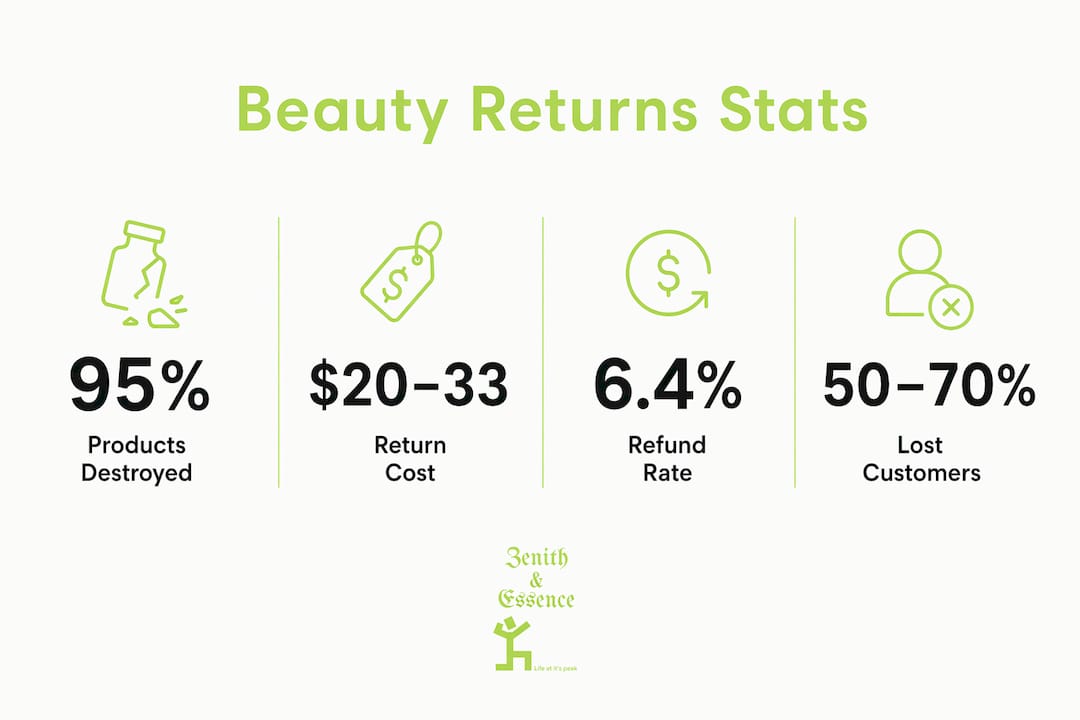
Beauty products have an average refund rate of 6.4%, compared to 17.5%–18.5% in apparel and footwear. That lower number does not mean fewer problems. It means the industry has built a system that sidesteps physical returns entirely. Returnless refunds, where you keep the product and still get your money back, cover about 18% of beauty returns. That is the highest rate of any retail vertical. Retailers choose this route because the alternative, shipping a used lipstick back to a warehouse, costs more than the product is worth and creates a health risk no brand wants to own.
The result is a return process that looks simple on the surface but involves hygiene law, reverse logistics math, and store manager discretion all at once. That combination is why navigating beauty product returns feels so different from returning a shirt or a blender.
What hygiene and safety rules do to beauty returns
Sanitary regulations are the foundation of every complicated beauty return process. Once a cosmetic product is opened, it is legally and practically unsellable in most markets. Contamination risk is the reason. A foundation bottle that has been pumped, a mascara wand that has touched an eye, or a lip gloss that has been applied once cannot be verified as safe for the next customer.
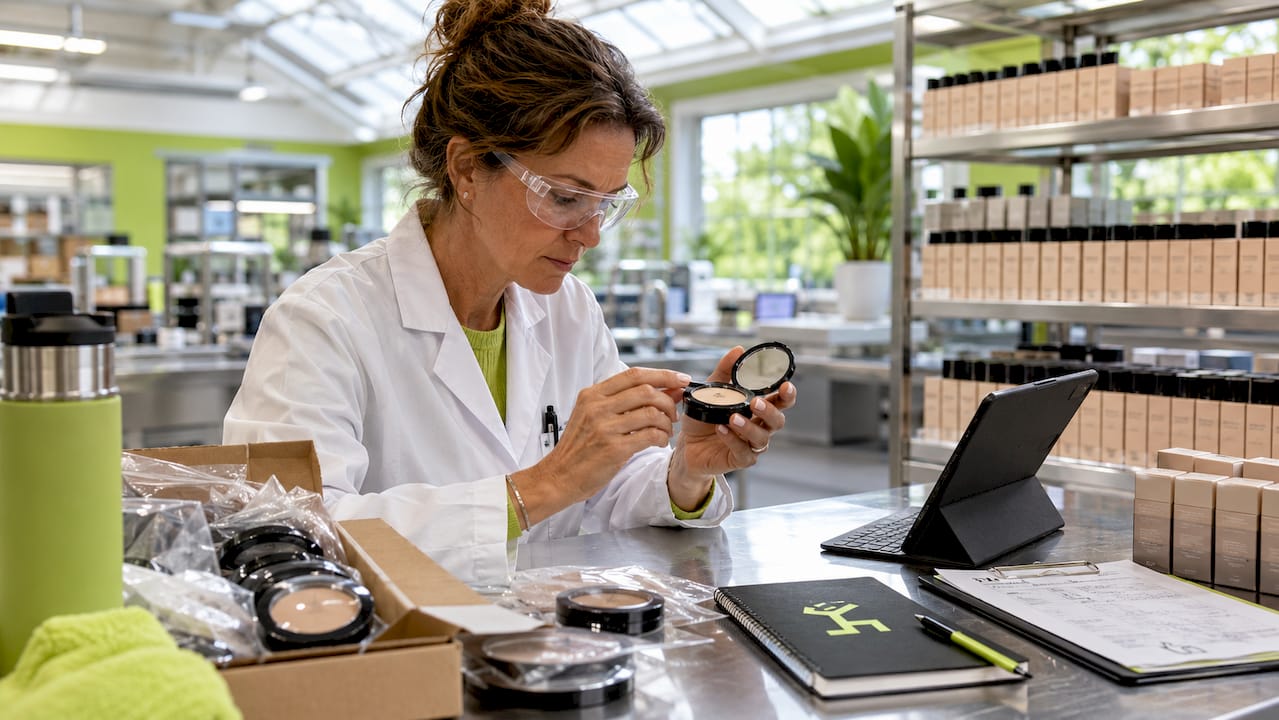
The numbers confirm how seriously retailers take this. Over 95% of returned beauty products are destroyed rather than resold. That figure covers everything from high-end serums to drugstore blush. The destruction happens because inspection and repackaging costs are prohibitive, and the liability of reselling a used product is even higher.
Here is what typically happens to a returned beauty item:
Opened products are sent directly to disposal, regardless of how little was used.
Sealed, unopened products may be restocked if the packaging is intact and the batch code is still valid.
Damaged packaging triggers automatic disposal even if the product inside is untouched.
Fragrance and skincare face stricter scrutiny because contamination is harder to detect visually.
Pro Tip: Before buying a new skincare product, check whether the retailer offers samples or travel sizes. Testing a small format first protects you from a return situation entirely, and it costs a fraction of the full size.
Understanding consumer protection laws in beauty can also clarify what rights you actually have when a product causes a reaction or arrives damaged. Those situations are governed differently than a simple change-of-mind return.
How do different retailers handle beauty return policies?
Return policies in beauty vary more than most shoppers realize. Retailers like CVS, Target, and Sephora each set their own rules, and those rules shift based on product type, purchase channel, and even the individual store manager’s judgment.
Here is how the major approaches break down:
Sephora accepts returns within 30 days for a full refund and up to 60 days for store credit. Products must be in “gently used” condition, which the company defines as a limited number of trials, not a half-empty bottle.
Target allows beauty returns within 90 days with a receipt, but store managers have discretion to decline items that appear heavily used or lack original packaging.
CVS accepts opened beauty returns within 60 days, though pharmacist-reviewed items and certain personal care categories are excluded.
The phrase “gently used” is the most contested term in beauty retailer policies. It implies you tried the product a few times to assess fit, not that you used it for three weeks and decided you preferred something else. Retailers’ willingness to accept these items is balanced against preventing return abuse, which means customer honesty directly affects how smoothly the process goes.
Store managers hold more power than most shoppers expect. They can approve or deny a return based on the product’s visible condition, your purchase history, and whether the return pattern looks suspicious. AI-driven fraud is rising across retail, and beauty is not immune. Brands now flag accounts with unusual return patterns, which can restrict your access to returnless refunds or even standard returns in the future.
For a detailed breakdown of how to compare beauty retailers online, including their return windows and satisfaction guarantees, it pays to do your research before you buy.
Why are logistics and costs a barrier to easy beauty returns?
The financial reality of processing a return is the second major reason issues with beauty returns persist. Most consumers assume a return is free for the retailer once the item is shipped back. The actual cost tells a different story.
Cost Factor | Typical Range | Impact |
Return processing per item | $20–$33 | Often exceeds product value |
Inbound freight | $5–$15 | Adds to total reverse logistics cost |
Warehouse inspection | $3–$8 | Required before any restocking decision |
Disposal of opened items | $2–$5 | Unavoidable for most beauty returns |
Processing a return costs $20–$33 per item on average. For a $15 drugstore foundation or a $25 eyeshadow palette, that math makes physical returns economically irrational. Retailers absorb that cost or pass it back to consumers through pricing. This is the “return tax” most shoppers never see: the cost of returns is embedded in product prices across the category.
Returnless refunds are the industry’s practical solution. Instead of paying to ship, inspect, and dispose of a used blush, a brand issues a refund and tells you to keep or discard the product yourself. This saves inbound freight and warehouse overhead while still satisfying the customer. The downside is that it accelerates product waste and adds to the environmental cost of the beauty industry.
Pro Tip: If a retailer offers a returnless refund, ask whether they have a recycling or take-back program. Some brands partner with TerraCycle or run their own collection points to reduce disposal waste.
How do subjective factors make beauty returns even harder?
Personal preference is the wildcard in every beauty return. Unlike a pair of shoes that either fits or does not, beauty products interact with individual skin chemistry, tone, and sensitivity in ways that no product description fully predicts.
Color, formulation feel, and skin reactivity vary so much between individuals that the same foundation shade can look completely different on two people with similar undertones. Online shopping removes the ability to swatch, test, or smell a product before buying. That gap between expectation and reality drives a significant share of beauty returns, and it is one that better product information can reduce but not eliminate.
The most common subjective return triggers include:
Shade mismatch in foundation, concealer, and lip color, especially when product photography does not reflect true pigment.
Texture or finish that feels different on skin than the product description suggests, such as a “lightweight” moisturizer that feels heavy on oily skin.
Fragrance sensitivity, where a scent that reads as “fresh” online turns out to be overwhelming in person.
Skin reactions, including breakouts or irritation from an ingredient that was not prominently disclosed on the product page.
Better ingredient labeling and transparent product information reduce these mismatches. Retailers that invest in detailed shade descriptions, real-skin photography, and honest ingredient breakdowns see fewer returns driven by unmet expectations. Shopping with brands that prioritize this kind of transparency, including shade matching tools and detailed formulation notes, is one of the most practical ways to avoid a return situation before it starts.
50–70% of customers who have a difficult return experience do not reorder from that brand. That retention loss is the real cost of a poorly managed return process, and it explains why brands that get this right earn lasting loyalty.
Key takeaways
Beauty returns are complicated because hygiene regulations, high logistics costs, and subjective product experiences make physical restocking impractical for most opened items.
Point | Details |
Hygiene rules drive destruction | Over 95% of returned beauty products are destroyed, not restocked, due to contamination risk. |
Returnless refunds are standard | About 18% of beauty returns are returnless, the highest rate of any retail vertical. |
Processing costs exceed product value | Returning a single item costs $20–$33, making physical returns economically irrational for low-priced products. |
“Gently used” is subjective | Retailers like Sephora, Target, and CVS define acceptable returns differently, and store managers have final say. |
Transparency reduces returns | Detailed ingredient labeling and honest shade descriptions lower the rate of expectation-driven returns. |
The part of beauty returns nobody talks about
I have spent years writing about consumer retail, and the beauty return system is the one that surprises people most. Not because it is unfair, but because the reasons behind it are so rarely explained.
Most shoppers assume a difficult return policy means a brand does not care about them. The reality is almost the opposite. A brand that issues a returnless refund is often doing the most consumer-friendly thing it can within a system where the alternative is charging you more to cover $30 in reverse logistics on a $20 product.
What I find more troubling is the sustainability gap. When over 95% of returned products end up in landfill, the environmental cost of a single impulse purchase becomes significant. The “return tax” embedded in product pricing means you are already paying for this system whether you return anything or not.
My honest advice: treat every beauty purchase as a small commitment. Request samples when available. Read ingredient lists before you buy, not after. And choose retailers that give you real information upfront, because that transparency is the single best defense against a return you cannot easily make.
The brands worth your loyalty are the ones that make the pre-purchase experience thorough enough that returns become rare. That is not a low bar. It is the standard every beauty retailer should be held to.
— Norman
Shop beauty products built to reduce returns
The complicated beauty return processes described above often trace back to one root cause: products that do not deliver what they promise. Essencezenith takes a different approach.

Every product in the Essencezenith catalog is built around transparent ingredient sourcing, honest formulation descriptions, and a 30-day satisfaction guarantee on unused items. The focus on sustainable luxury beauty means you are buying products designed to work with your skin, not just look good in a product photo. If you want to start with something straightforward and effective, the natural vegetable deodorant is a strong example of the brand’s commitment to clean, purposeful formulation. Less guesswork at purchase means fewer returns for everyone.
FAQ
What makes beauty returns different from other retail returns?
Beauty products cannot be resold once opened due to hygiene regulations. Over 95% are destroyed rather than restocked, which makes the entire return process more costly and complex than in apparel or electronics.
Why do some retailers offer returnless refunds on beauty products?
Processing a return costs $20–$33 per item, often more than the product itself is worth. Returnless refunds eliminate freight and inspection costs while still resolving the customer’s complaint.
Can i return opened makeup to sephora, target, or CVS?
Yes, within their respective windows. Sephora allows returns up to 60 days, Target up to 90 days, and CVS up to 60 days, but all three require the product to be gently used, meaning only a few trials, and store managers have final discretion.
How does return fraud affect regular shoppers?
AI-driven fraud has pushed retailers to flag accounts with unusual return patterns. Legitimate shoppers who return frequently may find their returnless refund access restricted or their returns subject to stricter review.
How can i avoid beauty return problems when shopping online?
Request samples or travel sizes before committing to full sizes. Look for retailers that provide detailed ingredient lists, real-skin shade photography, and honest formulation notes. Better product transparency is the most reliable way to reduce expectation-driven returns before they happen.
Recommended
Comments