
Beauty Purchase Protection Checklist for Smart Shoppers

TL;DR:
A beauty purchase protection checklist helps shoppers verify product authenticity, quality, and return eligibility before and after online purchases. Buying from verified sellers and inspecting packaging, labels, and ingredient lists reduce counterfeit risks significantly. Documenting issues promptly ensures effective dispute resolution and supports safe, confident beauty shopping.
A beauty purchase protection checklist is a defined set of verification steps shoppers use to confirm product authenticity, quality, and return eligibility before and after buying online. Counterfeit cosmetics and skincare flood online marketplaces every year, and the FDA has flagged unsafe ingredients in products sold through third-party listings. Knowing how to apply batch testing standards, read Period-After-Opening symbols, and evaluate a seller’s return policy separates confident shoppers from those stuck with fakes. This guide gives you every step of that checklist in order.
1. Verify the seller before you add anything to your cart
Buying from a verified seller is the single most effective step in any beauty purchase protection checklist. Shoppers can reduce counterfeit risk by 90% by purchasing directly from brand official websites or verified authorized retailers. That number reflects how dramatically your odds improve when you skip generic third-party listings.
On platforms like Amazon, look for “Sold by and shipped by [Brand Name]” on the product listing page. A seller with a vague business name, a short account history, or a catalog mixing unrelated product categories is a red flag. Retail channel transparency and consistent product information across packaging are the clearest signs of a trustworthy source.
Check the seller’s account age and feedback score before purchasing.
Confirm the seller is listed as an authorized retailer on the brand’s official website.
Avoid listings where the seller name does not match the brand or a known distributor.
Flag any seller offering luxury or cult-favorite products at prices well below retail.
Pro Tip: Bookmark your trusted sellers and re-verify their authorization status each shopping session. Seller accounts can change ownership without notice.
2. Inspect packaging and labeling for authenticity signals

Packaging is the primary indicator of authenticity. Authentic brands use airless or UV-blocking containers, while counterfeit packaging typically shows fuzzy printing, mismatched batch codes, or compromised shrink wrap. These physical details are not accidents. They reflect the production standards a legitimate manufacturer maintains.
Check for a batch code printed directly on the packaging and verify it using the brand’s official batch lookup tool or a trusted authentication site. The Period-After-Opening symbol, shown as an open jar icon with a number like “6M” or “12M,” tells you how long the product remains stable after opening. Missing or tampered PAO symbols are a serious safety concern, not just a cosmetic flaw.
Feature | Authentic product | Counterfeit product |
Print quality | Sharp, consistent font and color | Blurry, faded, or misaligned text |
Batch code | Present, verifiable via brand tools | Missing, duplicated, or unverifiable |
Shrink wrap | Tight, intact, professionally applied | Loose, wrinkled, or re-sealed |
PAO symbol | Clearly printed with correct timeframe | Absent or inconsistent with product type |
Ingredient list | Full INCI names, legible, accurate | Vague, incomplete, or misspelled |
Pro Tip: Pull up the brand’s official product page on your phone while inspecting the physical package. Compare font, logo placement, and ingredient order side by side.
3. Cross-check ingredient lists and labeling standards
Full ingredient lists, clear manufacturing and expiry dates, batch codes, and contact information on labels are required for buyer confidence. Missing INCI names or unclear ingredient declarations should raise suspicion before you even open the product. INCI stands for International Nomenclature of Cosmetic Ingredients, the global standard for listing what is in a formula.
Auditing ingredients against your existing skincare routine also prevents a less obvious problem. Shoppers who buy based on viral trends without checking for duplicate actives risk skin barrier damage from layering too many exfoliants or retinoids. A solid makeup purchase checklist always includes a step where you confirm new actives do not conflict with what you already use.
Check the quality of beauty ingredients listed on packaging against the brand’s published formula. If the order or concentration of key actives looks off, contact the brand directly before using the product.
4. Perform a quality inspection when the product arrives
The inspection does not end at checkout. Once your order arrives, examine the product before first use. Look for separation in formulas, off odors, visible mold, or any texture that does not match the brand’s published description. These signs indicate either a counterfeit product or one that was stored improperly during shipping.
Photograph everything immediately: the sealed package, the batch code, the product itself, and any damage to the outer box. This photo record becomes your evidence if a dispute or return claim arises later. Timely collection of evidence improves your chances of a favorable resolution with both the seller and the brand.
Photograph the sealed outer packaging before opening.
Check the batch code against the brand’s verification tool.
Smell and examine the texture before applying to skin.
Compare the product color and consistency to official product images.
Stop using the product immediately if anything looks or smells wrong.
Pro Tip: Keep all receipts, order confirmation emails, and packaging photos in a dedicated folder. Organized records cut dispute resolution time significantly.
5. Conduct a patch test before full application
A 48–72 hour patch test is the standard safety step before applying any new skincare or makeup product to your face or body. Performing a patch test is especially critical when a batch code or expiry date looks tampered with. Apply a small amount to the inside of your wrist or behind your ear and monitor for redness, itching, or swelling.
This step matters even with products from trusted sellers. Formulas can degrade if stored incorrectly, and individual skin sensitivities vary. Batch testing by manufacturers verifies microbial and stability standards, but batch testing confirms consistent quality for a production run, not for every individual’s skin response. Your personal patch test fills that gap.
6. Evaluate the return policy before you buy
A seller’s return policy is one of the clearest trust signals in online beauty shopping. Vague or restrictive return policies often indicate untrustworthy sellers. A professional retailer offers a transparent, easy path for returns when a product is materially different from its description or arrives damaged.
Before purchasing, locate the return policy page and read it fully. Understanding why beauty returns are complicated helps you ask the right questions before committing to a purchase. The key features to look for in any beauty product return policy include:
A clearly stated return window of at least 14 days, ideally 30 days.
Explicit eligibility for defective, damaged, or misdescribed products.
Clear instructions on how to initiate a return without excessive barriers.
A stated process for refunds versus store credit.
Contact information for customer support that is easy to find and use.
Check return policies thoroughly to understand eligibility for opened, unopened, or damaged product returns before purchase. A fair policy is not just a convenience. It signals that the seller stands behind what they sell.
7. Document and report counterfeit or problematic purchases
When a product fails your inspection or causes a reaction, documentation is your most powerful tool. Collect screenshots of the product listing, the seller’s profile page, and your order confirmation. Take clear photos of the product packaging, seals, and batch codes the moment you identify a problem.
Report the issue directly to the brand’s anti-counterfeiting or customer support team using your documented evidence. Brand internal teams are more effective than general marketplace customer service for resolving counterfeit concerns. They have the tools to verify batch codes, cross-reference seller authorization, and escalate to legal teams when needed.
Screenshot the product listing URL and seller profile immediately.
Photograph packaging, seals, and batch codes in clear, well-lit conditions.
Email the brand’s anti-counterfeiting contact with all evidence attached.
File a report with the marketplace platform’s fraud or counterfeit reporting tool.
Keep copies of all correspondence for your records.
Pro Tip: Act within 48 hours of identifying a problem. Most platforms and brands have time-sensitive windows for counterfeit claims, and early reporting gets faster results.
8. Use Certificates of Analysis as an advanced verification tool
Certificates of Analysis, known as COAs, are documents issued by third-party labs that confirm a product’s ingredient potency and microbial safety. Insiders rely on COAs to verify that what is on the label matches what is in the formula. A brand that publishes or provides COAs on request is demonstrating a level of transparency that most counterfeit operations cannot replicate.
Ask for a COA when buying high-value serums, vitamin C formulas, or retinoid products where ingredient concentration directly affects results. If a seller cannot provide one and the brand’s website does not publish them, treat that as a signal to verify the seller’s authorization status again. Fastest-growing beauty brands build trust systems first, then release products. COA availability is one of those trust systems.
Key Takeaways
A complete beauty purchase protection checklist covers verified sellers, authentic packaging, ingredient accuracy, patch testing, transparent return policies, and documented evidence from the moment of purchase through first use.
Point | Details |
Verify sellers first | Buy from brand official sites or verified authorized retailers to cut counterfeit risk. |
Inspect packaging on arrival | Check batch codes, PAO symbols, print quality, and shrink wrap before opening. |
Patch test every new product | Apply to a small skin area for 48–72 hours before full use, regardless of seller trust. |
Read return policies before buying | A clear, fair return policy is a direct signal of seller reliability and product confidence. |
Document problems immediately | Photograph packaging and collect screenshots within 48 hours to support any dispute or claim. |
What I have learned shopping beauty online in 2026
The most common mistake I see shoppers make is trusting social proof over seller transparency. A product with thousands of five-star reviews on a third-party listing can still be counterfeit. Reviews are easy to manufacture. Seller authorization records are not.
The sophistication of counterfeit beauty operations has grown significantly. Packaging now mimics authentic products closely enough that casual inspection misses the signs. The details that give fakes away are the ones most shoppers skip: batch code verification, PAO symbol accuracy, and shrink wrap condition. These are not optional steps. They are the checklist.
Early access drops and limited-edition launches create pressure that counterfeiters exploit deliberately. When a product sells out fast and resellers appear immediately, the risk of buying a fake spikes. I always slow down during high-hype launches and apply the full trustworthy beauty brand checklist before purchasing, even from sellers I have used before.
The shoppers who protect themselves consistently are not more suspicious by nature. They are more systematic. A checklist removes the emotional pressure of a purchase decision and replaces it with a repeatable process. That process is what keeps your skin safe and your money protected.
— Norman
Essencezenith’s approach to worry-free beauty shopping
Essencezenith was built around the principles this checklist describes. Every product in the catalog comes from curated, verified sources with sustainable ingredients and clear labeling. The 30-day satisfaction guarantee means you can return any unused item without friction, which is exactly the kind of return policy transparency this guide recommends.
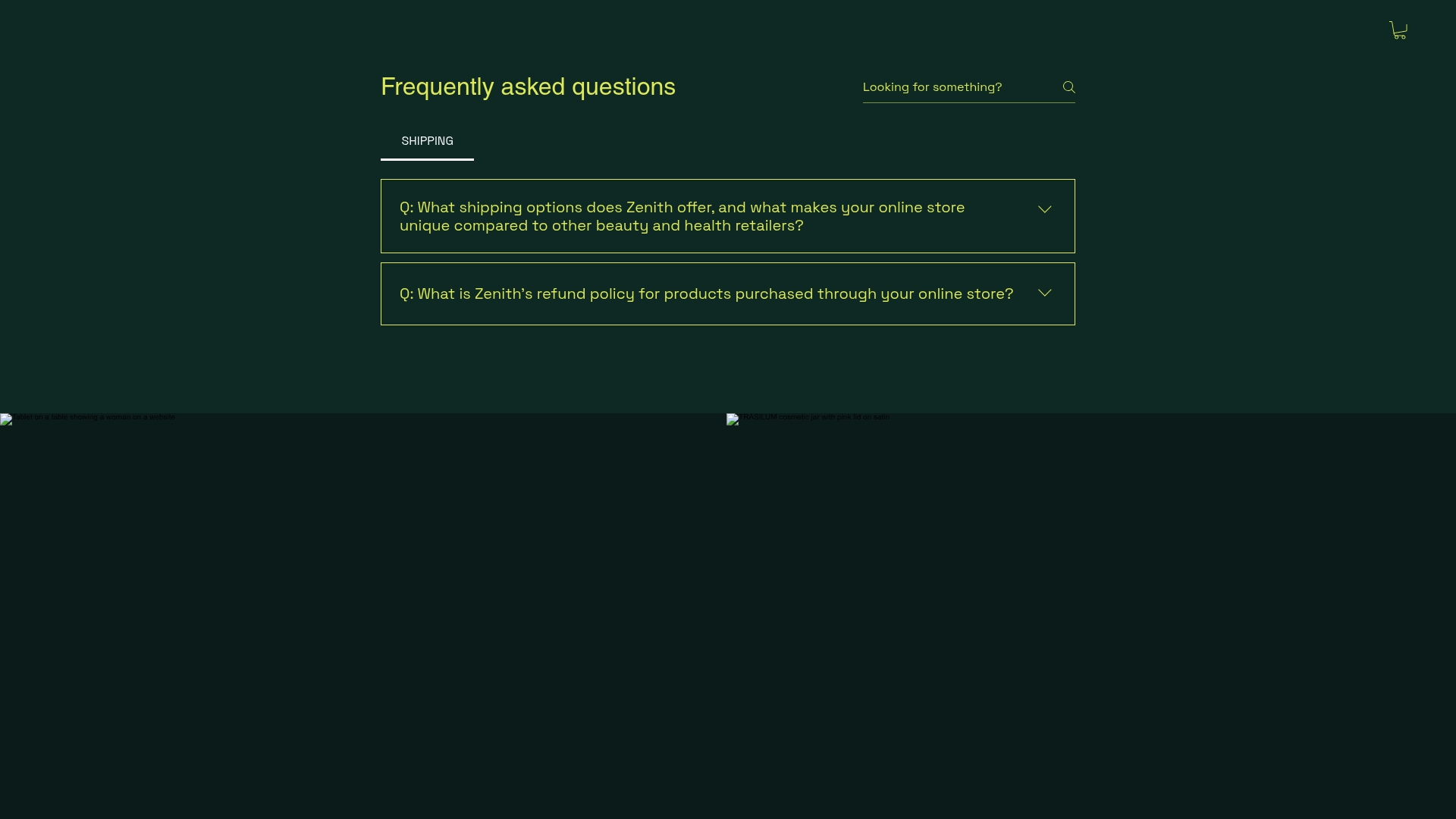
Essencezenith’s refund policy is written in plain language and easy to find before you buy. That is not an accident. It reflects a commitment to the same shopper protections covered throughout this guide. If you want a shopping experience where the checklist is already built into the retailer’s standards, Essencezenith is the place to start.
FAQ
What is a beauty purchase protection checklist?
A beauty purchase protection checklist is a set of verification steps shoppers use to confirm product authenticity, quality, and return eligibility before and after buying beauty products online.
How do I know if a beauty seller is legitimate?
Look for “Sold by and shipped by [Brand Name]” on marketplace listings, and confirm the seller appears on the brand’s official authorized retailer list. Purchasing from brand official websites or verified retailers reduces counterfeit risk by 90%.
What packaging signs indicate a counterfeit beauty product?
Fuzzy or misaligned printing, missing or unverifiable batch codes, loose shrink wrap, and absent Period-After-Opening symbols are the most common signs of counterfeit beauty packaging.
Why does a return policy matter for cosmetics quality assurance?
A transparent return policy signals that a seller stands behind their products. Vague or restrictive policies are a recognized indicator of unreliable sellers in online beauty retail.
How should I report a counterfeit beauty product?
Photograph the packaging and batch codes immediately, screenshot the listing and seller profile, then contact the brand’s anti-counterfeiting team directly with all evidence. Brand teams resolve counterfeit issues faster than general marketplace support.
Recommended
Comments